
Art therapy is more than a creative hobby—it is a powerful bridge between emotional healing and physical well-being. Growing scientific evidence shows that artistic activities stimulate the brain, regulate emotions, and support long-term health. Its effects are profound, gentle, and enduring.
First, art therapy significantly reduces stress. When people engage in drawing, sculpting, or music-making, cortisol levels drop. At the same time, the brain shifts into a relaxed yet focused “flow state,” allowing emotions to settle and the body to naturally reach a calmer rhythm of breathing and heartbeat.
Second, art therapy strengthens emotional resilience. Through creative expression, individuals externalize their struggles, hopes, and unspoken feelings. Seeing these emotions transformed into visible forms helps people understand them more clearly and adjust more effectively. Those who practice art regularly often show better emotional regulation and a higher tolerance for stress.
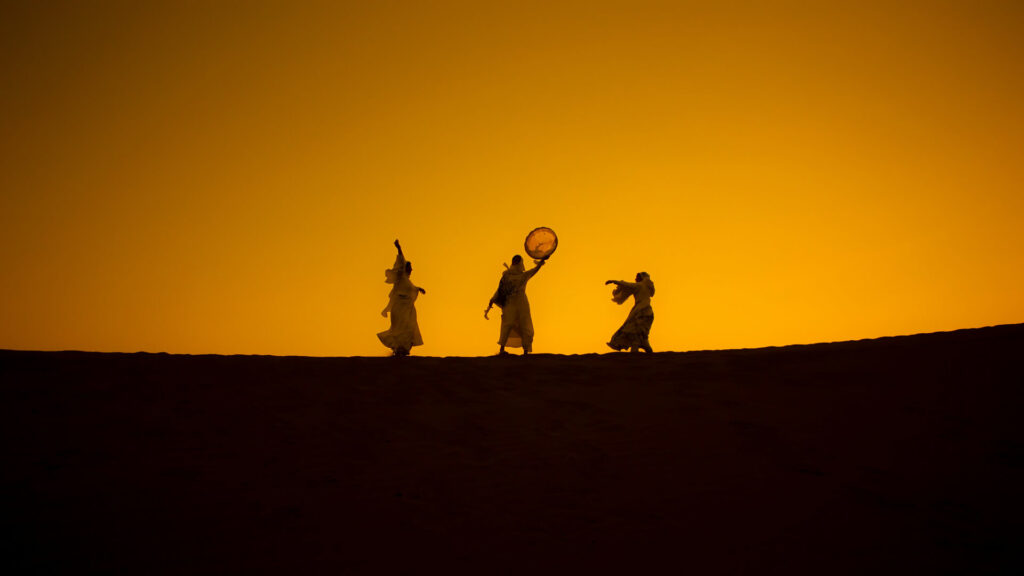
Third, art therapy plays a crucial role in trauma recovery. Trauma is often difficult to verbalize, but art provides a safe, non-verbal container for expression. Whether through colors or movement, survivors can regain a sense of control and gradually rebuild damaged feelings of safety and identity. Many psychological studies and clinical cases confirm that art therapy is a valuable tool in trauma treatment.
On a physiological level, art activates neural connections across the brain. Creative activities engage both the left logical hemisphere and the right perceptual hemisphere, promoting balanced neural functioning. Research even suggests that fine-motor hand movements may slow cognitive decline and improve memory and attention in older adults.
Art therapy also fosters social well-being. Group painting, pottery, or music sessions provide a sense of belonging and shared emotional support. These non-competitive, non-judgmental environments reduce loneliness and enhance happiness.
In summary, art therapy is far more than a leisure activity—it is a holistic healing practice that connects body, emotion, cognition, and relationships. Through gentle creative expression, it repairs psychological wounds, strengthens mental clarity, reduces stress, and promotes long-term well-being. Art helps people rediscover themselves and makes healing an accessible, sustainable lifestyle.